
In this article
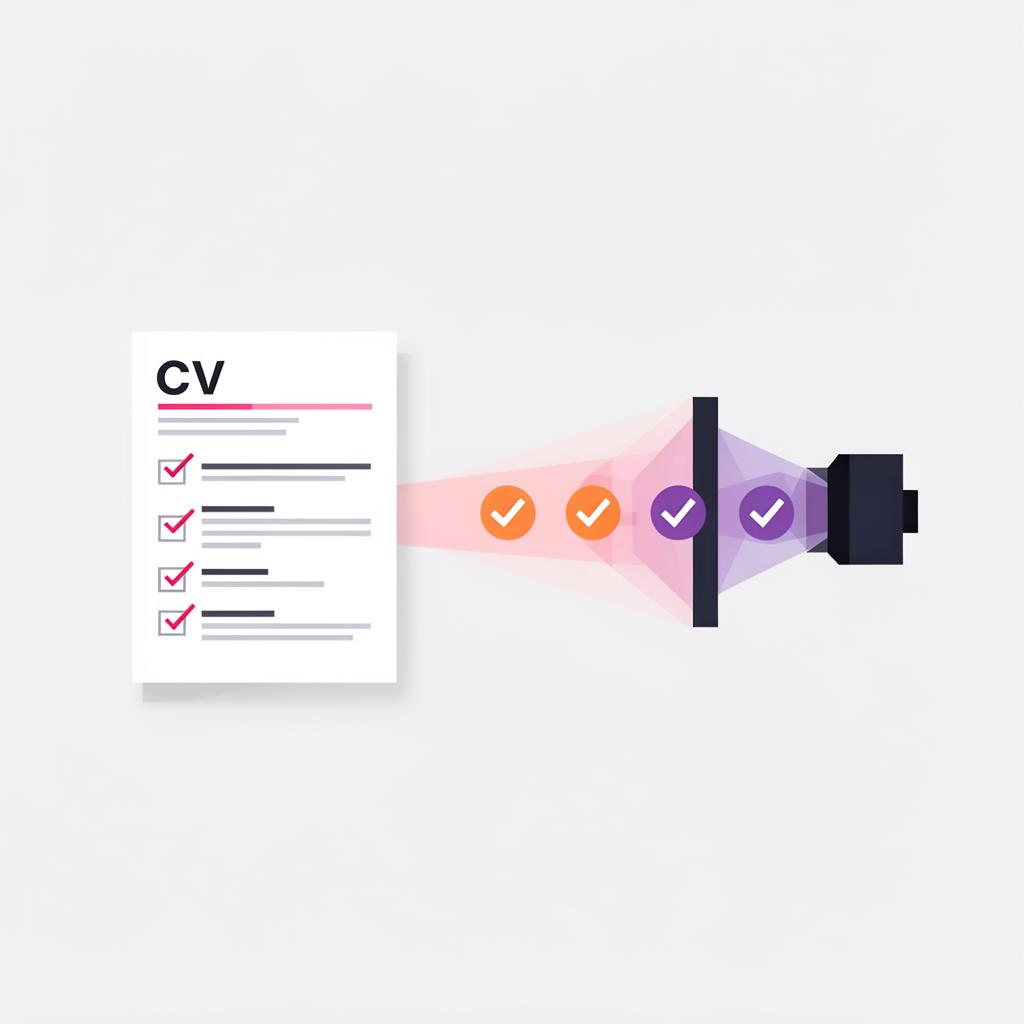
Mid career job search strategy is about making deliberate choices, not increasing application volume. Many experienced professionals dilute their chances by applying widely with generic materials. That approach slows the process, frustrates candidates and wastes recruiters' time.
Hiring works on fit and evidence. Recruiters and hiring managers want clear signals that a candidate can do the role required from day one or will close the gap quickly. A focused strategy, centred on roles that match recent, demonstrable experience, produces better interviews and faster outcomes.
What recruiters actually look for
When I screen mid career candidates I judge three things quickly: scope, seniority and measurable impact. Scope means the scale of responsibility, the functions managed and the budget or commercial remit. Seniority is about leadership, decision making and autonomy. Measurable impact is evidence of what the candidate delivered, in numbers or clear outcomes.
Recruiters do not prize a long list of responsibilities. We want concise evidence that your experience maps to the job brief. That includes recent examples that match the role's core duties, and signals that you can step into similar challenges without a long ramp up. If your CV shows a consistent direction, that reduces perceived hiring risk.
How unclear positioning harms your prospects
Unclear positioning raises three recruiter concerns. First, fit. If your CV reads as generalist, hiring managers worry you will not prioritise the right tasks. Second, motivation. A vague application makes it hard to tell whether you want the role for the right reasons. Third, salary and expectations. Recruiters will question whether your current package and the role are aligned, which can derail conversations early.
Clear positioning answers these concerns. It shows what you focus on, the problems you solve and the outcomes you produce. That clarity makes it easier for hiring managers to picture you in the role and for recruiters to recommend you confidently.
Why candidates struggle to focus
Mid career professionals often carry experience from multiple functions, markets or programmes. Choosing a direction feels like closing doors. I see three common behaviours that undermine a search.
- Applying across disparate roles because a variety of titles feel relevant, without mapping the actual responsibilities.
- Overestimating transferability, assuming a similar job title equals similar scope and outcomes.
- Using a one size fits all CV and LinkedIn profile, which hides your best evidence for any single role.
Each behaviour shifts the burden back to the recruiter to interpret your fit. That is a weak starting position.
Practical steps to build a focused mid career job search strategy
Start by narrowing your target. Define one to three role types that reflect your recent achievements and the scope you want to hold next. Treat stretch roles separately from your primary targets.
- Define a target role family. Use your last two to three roles to identify recurring responsibilities and successes. Those are your strongest selling points.
- Separate realistic targets from stretch roles. Realistic targets should align with recent remit and scale. Stretch roles require a clear plan to bridge gaps, such as an executive education programme or a portfolio of consultancy assignments.
- Review multiple job descriptions. Pull five to ten adverts for each target role. Note repeated skills, business outcomes required and sector-specific language. Those patterns tell you what to emphasise.
- Tailor your CV for direct relevance. Lead with a short summary that names the target role and three quantifiable achievements that mirror the job brief. Reorder bullets to put the most relevant work first.
- Align LinkedIn with your CV. Use the same positioning statement and ensure your headline supports the search. Recruiters often decide to call based on LinkedIn before reading a CV.
- Prioritise application quality over quantity. Spend time on a few tailored applications rather than many generic ones, so you convert more interviews and preserve energy for negotiation.
- Use networking to test market fit. Arrange short exploratory calls with hiring contacts and recruiters. Ask whether your background fits the roles you are targeting and adjust your positioning accordingly.
How to tailor your CV effectively
Many mid career candidates make the same mistake. They list responsibilities rather than outcomes. Recruiters and hiring managers want to see the commercial difference you made.
- Start each role entry with a one line context sentence, for example the size of team, revenue or project budget you managed, and the business objective.
- Follow with three to five bullets of achievements. Use numbers, percentages and timescales where possible.
- Omit older roles that do not support your target. A long, unfocused career history weakens the signal you intend to send.
- For stretch roles include a short bridging statement, showing relevant skills gained through consultancy, secondments or training.
Real world examples
A project manager with broad cross-functional experience applied widely across PM, operations and product roles. Response rates were low. After mapping recent work, they chose operations and transformation roles where they had led cost reduction and process redesign. They rewrote their CV to foreground those projects and outcomes. Interview invites rose markedly within four weeks.
Marketing professional who reframed experienceA marketing manager with agency and in-house roles reframed their experience as digital growth specialism. They created a case study section showing customer acquisition metrics, campaign ROAS and channel mix optimisation. Recruiters began to present them for senior digital roles rather than general brand positions, leading to better-fit interviews.
Team leader who adjusted seniorityA team leader consistently applied for director roles because the title felt aspirational. Recruiters rejected the applications on scope. After accepting a target at head of function level and emphasising recent people and budget responsibilities, they secured interviews and moved to a genuine promotion within six months.
See how your CV performs with recruiters
Upload your CV for a free review and get a score out of 100 based on ATS and recruiter expectations.
Actionable checklist to implement today
- Choose one to three realistic target role types based on your last two jobs.
- Collect five to ten job descriptions for each target and highlight common requirements.
- Update your CV summary to state your target role and three matching achievements.
- Rework the last two roles on your CV to show measurable outcomes and direct relevance.
- Create one tailored application for a priority role and track the response versus generic submissions.
- Align your LinkedIn headline and summary with your CV positioning.
- Arrange three informational calls with industry contacts or recruiters to test your positioning.
- Use feedback from interviews and recruiters to refine your search monthly.
Recruiter insights from real hiring situations
From a recruiter perspective, a focused candidate is easier to place. When a CV matches the brief, I can recommend them to hiring managers with confidence, and salary conversations proceed with fewer surprises. I have placed people who demonstrated clear trajectory and quantifiable impact even when they came from a different sector.
Conversely, unfocused applications often stall at screening. I regularly see strong professionals filtered out because their materials did not highlight the exact experiences the hiring manager needed. Small changes in phrasing and structure often make the difference between rejection and an interview.
Summary
A focused mid career job search strategy is efficient and effective. Define target roles that reflect your recent, demonstrable experience. Tailor your CV and LinkedIn to show direct relevance and measurable impact. Use quality applications and strategic networking to convert interviews into offers.
Free CV Review
If you are unsure whether your CV maps to the roles you are targeting, request a Free CV Review. Automated tools pick up formatting and keyword issues, but they cannot judge how you position your experience for a recruiter or hiring manager. A recruiter review will show where you are under or over positioned, which achievements to promote and how to present seniority and scope.
Upload your CV and receive a recruiter-style critique that covers ATS performance, clarity of positioning and practical changes to improve interview conversion.
Common Mistakes
Same CV for every role. Recruiters want evidence for the role at hand. Fix it by creating a master CV and role-specific versions that reorder achievements.
Relying on title similarity. Job titles vary widely. Read the role scope and compare responsibilities, not labels.
Ignoring experience gaps. If you lack a specific skill, show how related experience or recent training reduces the gap, rather than pretending it is irrelevant.
Chronological laundry list. Long lists of tasks without outcomes make it hard to see progression. Replace tasks with impact statements.
Underselling achievements. Vague phrases such as improved processes do not help. Add metrics, timeframes and commercial context.
See how your CV is likely to be assessed in a competitive market.
Upload your CV and receive a structured recruiter review with a clear first read on positioning and fit.
See how your CV is likely to be assessed in a competitive market.
Upload your CV and receive a structured recruiter review with a clear first read on positioning and fit.