
In this article
Salary negotiation tips matter because a poorly handled conversation costs you money and credibility. Candidates often accept the first figure or respond with an arbitrary number. Both approaches lose leverage and leave value on the table. A structured, calm response gives you time to assess the written offer and present a defensible counter.
Recruiters see the same mistakes repeatedly. This article explains when to negotiate, what to say, and how to evaluate the full package. It focuses on practical language and steps you can use immediately, based on two decades of hiring in the UK and the Middle East.
Recruiter perspective, and what employers actually assess
Recruiters and hiring managers balance several constraints when they receive a salary request. The approved salary range is the starting point. Internal pay consistency for existing team members follows closely. Hiring managers then weigh the candidate's experience, the urgency of the hire, and budget cycles. Your request succeeds when it fits these realities and is supported by evidence.
Make a clear, evidence based case. A recruiter can present a precise, justified number to a hiring manager. Vague statements such as I need more or I was expecting more force the recruiter into a defensive position. Better to state the figure you want and the reasons why, with examples of relevant outcomes.
Flexibility often exists beyond base salary. Recruiters may be able to adjust start date, bonuses, flexible working, professional development funding, or the timing of the next salary review. Say which of these matters most to you. That makes the recruiter’s role easier, and increases the chance of a pragmatic, timely outcome.
Why candidates struggle to negotiate
Many candidates cannot state a clear target. They confuse personal financial need with market value. Stating you need a certain sum to cover bills is understandable, but it does not persuade an employer that your work will produce commensurate value. Prepare market evidence and role matched examples instead.
Another common problem is a narrow focus on base salary. Pension, bonus structure, leave, flexible working, and progression pathways all form the total package. Candidates who treat the first figure as final often miss creative alternatives that increase long term reward.
Finally, candidates sometimes respond immediately over the phone before seeing the written offer. Verbal acceptance or a rushed counter reduces visibility on benefits, notice periods, and performance conditions. Ask for the offer in writing and a short window to review it. That approach preserves options and demonstrates professional judgement.
Make it easy for the recruiter to sell your case
Recruiters act as intermediaries. Give them a concise package to present, a clear figure, and two evidence points. If you say the employer has no flexibility, the recruiter has nothing to negotiate. Tell them what you will accept and where you can be flexible.
Practical salary negotiation tips, scripts to prepare and use
Preparation is the greatest advantage you have. Use the advertised range, comparable roles on public job boards, recruiter feedback, and salary surveys to set a defensible target. Decide your ideal figure, and a minimum acceptable total package. Keep those figures separate from your opening script.
When you receive an offer, request the full package in writing and a short period to respond. Use this script to buy time, "Thank you for the offer. I am excited about the role. Could I review the full package and come back to you by [date]?" That simple step prevents you from committing prematurely.
When it is time to counter, make one specific request and justify it with evidence. Use a tone that is collaborative. Simple wording works well, "Based on the responsibilities and my experience in [relevant area], I was hoping for [amount]. Is there flexibility to move the base salary closer to that figure?" Follow the sentence with a brief example of results, such as revenue growth, cost savings, or process improvements tied to the role.
If the employer says the base salary is fixed, shift the conversation to other levers. Say, "I understand the salary range is set. Could we discuss a signing bonus, additional leave, flexible working, or a formal salary review after six months with agreed objectives?" Ask for any agreed alterations to be recorded in the written offer.
Confirm all revised terms in writing before accepting. A documented review date with agreed objectives is worth more than an informal promise. If a salary review is part of the deal, include the review criteria and the decision maker in the written terms where possible.
Real world examples and how I advise candidates
Experienced candidate offered below the advertised range. I advised the candidate to reference specific role responsibilities and recent, measurable achievements. The counter included a clear figure 7 percent above the original offer and two brief evidence points, such as "delivered a 15 percent cost reduction in my current role". The recruiter took this to the hiring manager and secured a midpoint increase and an agreed review after nine months.
Career changer offered less than their previous salary. I encouraged assessment of the new role scope and long term progression rather than relying on past pay. The candidate prioritised development opportunities and a six month review, and accepted a lower base that included a clear professional development budget and mentoring commitment.
Employer with no base salary flexibility. A finance sector client had a fixed band. We negotiated a one off joining bonus and extra leave. Both were recorded in the offer. When the candidate delivered early agreed milestones, the planned review improved base pay within the year.
Offer below the candidate minimum. I advise a short, professional decline rather than prolonged negotiation. Say, "I appreciate the offer and the time you invested, however the proposed package is below my minimum requirements. I must decline. I hope our paths cross again." Keep the tone positive and leave the door open for future roles.
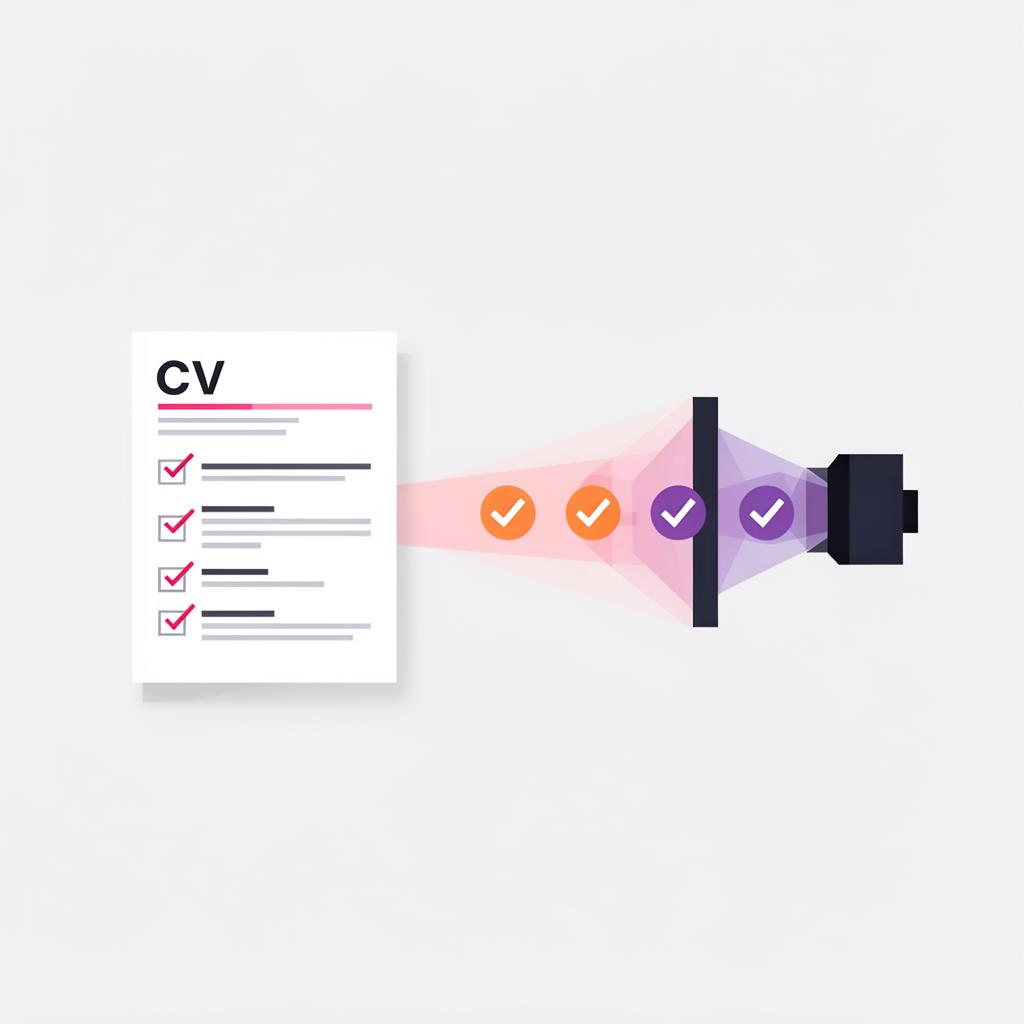
See how your CV performs with recruiters
Upload your CV for a free review and get a score out of 100 based on ATS and recruiter expectations.
Prioritise the total package
Hiring managers work to budgets. When base salary cannot move, alternative terms often can. Decide in advance whether you prefer higher base pay, more leave, flexible working, training, or a documented review. Communicate that priority clearly.
Common salary negotiation mistakes and how to avoid them
- Making an unsupported demand. Candidates state a high figure with no evidence. Provide specific results or comparable market data instead.
- Presenting an ultimatum too early. Threatening to walk unless conditions change creates tension. Open collaborative options first, for example asking about alternatives if salary cannot move.
- Bluffing about another offer or misrepresenting pay. Recruiters hear inconsistencies quickly. If challenged, the candidate loses credibility. Use genuine comparisons only.
- Negotiating before seeing the full package. Verbal conversations often miss benefits and conditions. Always ask for the written offer before finalising discussions.
- Accepting verbally and then reopening salary without new information. Reopening after acceptance damages relationships. If you accept verbally, only raise new facts that justify reconsideration, and expect resistance.
- Treating a promised future raise as guaranteed without written terms. Verbal promises are unreliable. Aim to document review dates, objectives, and the decision maker in the offer.
How your CV supports your salary case
Your CV must demonstrate the responsibilities and outcomes that justify your target figure. Recruiters scan for seniority signals, clear achievement metrics, and relevant domain experience. If your CV lists duties without results, you weaken your negotiating position.
Check that your CV highlights measurable outcomes, for example revenue contribution, cost savings, process improvements, or headcount managed. Use numbers and timeframes where possible. If your role had qualitative impact, explain the business outcome, such as improved client retention or faster delivery times.
When you ask for a higher salary, expect the recruiter or hiring manager to verify the claims on your CV. Be ready to walk through the achievements at interview with detail, including context, your actions, and the tangible results. That preparation turns claims on a CV into credible negotiation ammunition.
Common Mistakes
Accepting the first offer immediately
Immediate acceptance leaves value on the table. Request the written offer and a short period to review before committing.
Confusing personal needs with market value
Stating financial needs does not justify higher pay. Support your request with role matched achievements and market evidence.
Using vague or sweeping language
Saying I need more or I deserve more forces the recruiter to translate your intent. Give a specific figure and two concise reasons to make the case clear.
Relying on bluffing about competing offers
False or exaggerated claims are easily exposed and damage trust. Be honest about other processes and use real timelines if you need to accelerate a decision.
Focusing solely on base salary
The full package often contains valuable components. Consider bonus structure, pension, leave, flexible working, training budgets, and review timing.
Accepting verbal promises without written confirmation
Verbal commitments are unreliable. Get agreed changes and review arrangements in writing before you accept.
Salary negotiation checklist before you accept
- Identify your ideal salary and your minimum acceptable total package
- Compare the offer to the advertised range and similar roles in the market
- Request the full offer in writing before making any commitment
- Prepare one specific counteroffer with two concrete evidence points
- Decide which alternative benefits matter most if base salary cannot move
- Ask for any agreed changes and review arrangements to be recorded in the offer
- Set a reasonable deadline to respond and communicate it politely
- If declining, do so promptly and professionally to preserve future opportunities
See how your CV is likely to be assessed in a competitive market.
Upload your CV and receive a structured recruiter review with a clear first read on positioning and fit.
See how your CV is likely to be assessed in a competitive market.
Upload your CV and receive a structured recruiter review with a clear first read on positioning and fit.